
How to Choose the Perfect Picnic Tableware for Any Occasion

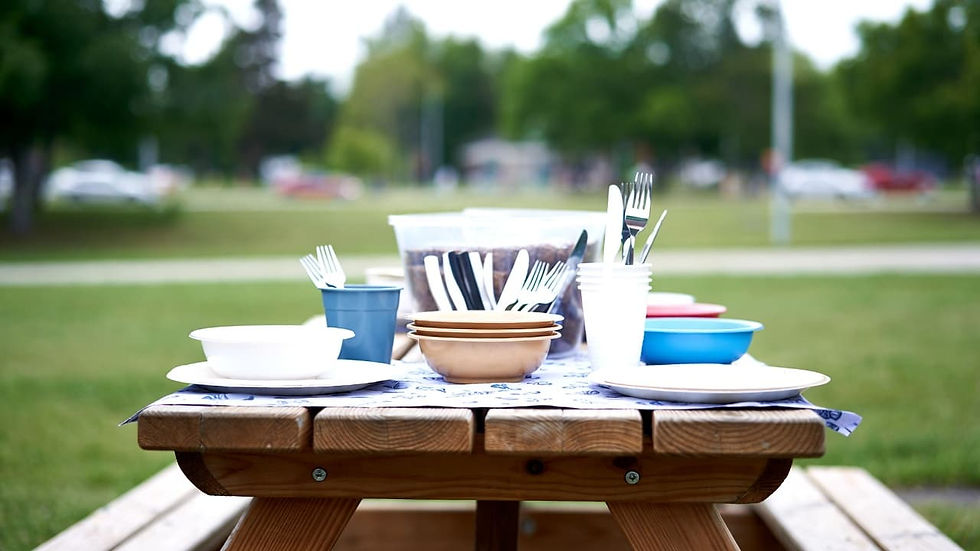
A great picnic is not just about food or location. The tableware you choose plays a big role in comfort, cleanliness, and enjoyment.
In the United States, picnics happen everywhere. They happen in public parks, beaches, backyards, national forests, and even parking-lot tailgates. Each setting creates different demands for picnic tableware. Choosing the wrong plates or cups can turn a relaxing afternoon into a messy experience.
This guide breaks down how to choose picnic tableware that works outdoors. It is based on real use, and not just looks.
Understanding Picnic Tableware
What Is Picnic Tableware?
Picnic tableware refers to plates, bowls, cups, utensils, and accessories specifically designed or selected for outdoor dining. Unlike everyday dinnerware, picnic tableware prioritizes portability, durability, and easy cleanup.
It can be disposable, reusable, or a mix of both, depending on the occasion.
What Makes Picnic Tableware Different from Regular Dinnerware?
Regular dinnerware assumes:
Flat tables
Indoor temperatures
Easy access to sinks and dishwashers
Picnic tableware must handle:
Uneven picnic tables or blankets
Wind, heat, and moisture
Transport in bags, baskets, or car trunks
That’s why weight, grip, and material matter far more outdoors.
Essential Components of Picnic Tableware
Plates and Bowls: Stability, Size, and Food Compatibility

Plates for picnics should be:
Slightly heavier or textured to resist wind
Large enough for burgers, sandwiches, or BBQ
Grease-resistant for foods with oil or sauce
Bowls are often overlooked but essential for:
Salads
Pasta
Fruit
Side dishes
Shallow bowls with reinforced rims are easier to handle outdoors.
Utensils and Cutlery: Disposable vs Reusable Options
Disposable cutlery works well for:
Large group picnics
Public park events
One-time gatherings
Reusable cutlery makes sense for:
Family picnics
Camping trips
Small, planned outings
Look for cutlery that is:
Strong enough to cut grilled meat
Comfortable to hold
Individually wrapped if disposable (for hygiene)
Cups and Mugs: Cold Drinks, Hot Drinks, and Spill Control
Not all cups are picnic-friendly.
Cold drink cups should be:
Insulated or thick-walled
Stable on uneven surfaces
Hot drink mugs (coffee or tea) need:
Heat resistance
Secure grip
Lids are underrated. They reduce spills and keep insects out.
Types of Picnic Tableware by Material
Paper and Compostable Picnic Tableware
Paper-based and compostable options are popular in the U.S. for casual picnics.
Pros:
Lightweight
Affordable
Easy cleanup
Cons:
Not all are suitable for hot or oily food
Look for sugarcane bagasse or PLA-lined products for better performance.
Plastic and Melamine Picnic Tableware
Reusable plastic and melamine sets are common for:
Frequent picnickers
RV and camping use
They offer:
Durability
Colorful designs
However, they require cleaning and storage and may crack over time.
Bamboo and Natural Fiber Options
Bamboo picnic tableware appeals to eco-conscious users.
It offers:
Natural aesthetics
Lightweight durability
Complementary Picnic Accessories That Matter
Picnic Tablecloths: Material, Grip, and Wind Resistance

Picnic tablecloths do more than protect surfaces.
Key features:
Non-slip backing to stay in place
Water-resistant coating
Weighted corners or clips
Vinyl-backed or PEVA tablecloths are popular for public park tables.
Picnic Platters: Size and Material Considerations
Picnic platters are ideal for:
Charcuterie
Fruit spreads
Shared appetizers
Choose platters that are:
Lightweight
Easy to carry
Shallow enough to prevent sliding food
Disposable platters work well for group events.
Outdoor Dining Accessories You Didn’t Know You Needed
Useful extras include:
Napkin holders with weight
Food covers to keep insects away
Cup markers to avoid mix-ups
These small items dramatically improve the picnic experience.
Tips for Outdoor Dining Success
Planning Your Menu Around Tableware
Match food to tableware:
BBQ → sturdy plates
Salads → bowls with depth
Desserts → smaller plates
Avoid mismatches that cause spills or soggy plates.
Matching Tableware to Group Size and Occasion
A couple’s picnic needs elegance and simplicity.A company picnic needs speed and efficiency.
Always plan for:
Extra pieces (10–15%)
Mixed food types
Trash and recycling options
Transport, Storage, and Cleanup Tips
Pack tableware:
Flat items at the bottom
Cups upright
Utensils in sealed bags
Bring trash bags and wipes. Cleanup should take minutes, not hours.
Cost and Sustainability: Making Smarter Choices
Disposable vs Reusable Picnic Tableware Cost Comparison

Type | Average Cost per Picnic | Cleanup Time | Best For |
Disposable | Low | Very Low | Large groups |
Reusable | Higher upfront | High | Frequent use |
For occasional picnics, disposable often costs less overall.
Environmental Impact and Certifications to Look For
In the U.S., look for:
Recyclable materials
Clearly labeled disposal instructions
Responsible choices matter, even outdoors.
Conclusion
Choosing the right picnic tableware isn’t about trends. It’s about function, comfort, and making outdoor meals easy and enjoyable.
By considering material, food type, group size, and cleanup needs, you can create a picnic setup that works—every time.
FAQ
Q1: Is disposable picnic tableware better for large events?
Yes. It reduces cleanup time and simplifies logistics.
Q2: Can compostable tableware handle hot food?
High-quality compostable plates can handle heat and oil.
Q3: What’s the most overlooked picnic accessory?
A stable tablecloth or food cover.
Q4: Should I mix disposable and reusable items?
Absolutely. Many people use reusable cups and disposable plates.

Email: abel@mana-eco.com
WhatsApp: +86 13867471335
We specialize in a full range of disposable tableware. With fully automated production lines and certifications like FDA, BPI, and OK Compost, we offer high-quality, eco-friendly tableware made from biodegradable materials such as sugarcane bagasse and PLA, committed to providing customers with more sustainable and environmentally friendly options.


Comments